




Why Port Cranes Fail Under Continuous Operations and How to Prevent It
January 21,2026
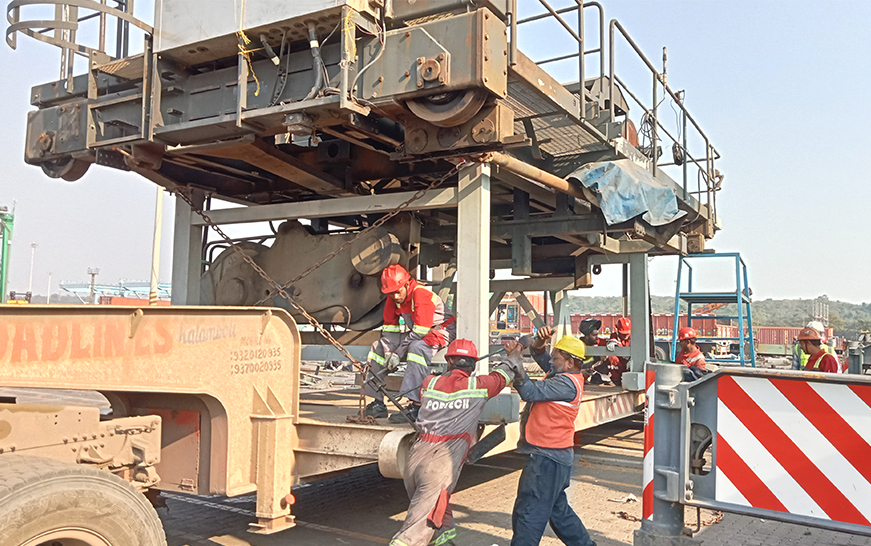
Port cranes are the cornerstone of modern maritime logistics, logging thousands of lifting cycles every day to keep cargo moving. In a terminal where efficiency and reliability determine competitiveness, even a few hours of crane downtime can escalate into delayed vessels, congested yards, financial penalties, and unhappy customers. Yet despite heavy investment in infrastructure, cranes continue to fail under continuous operations, posing a persistent challenge. Understanding why this happens and how to prevent it is essential for any port that wants to stay productive and profitable.
What factors trigger the decline of port cranes?
1. Continuous Use Increases Stress on All Systems
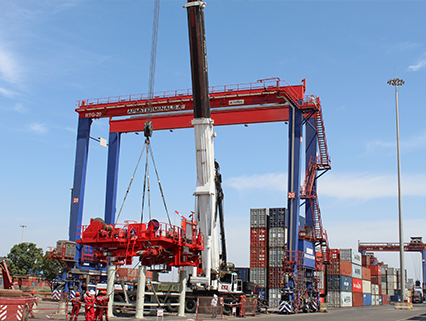
Port cranes whether Ship-to-Shore (STS), Rubber-Tyred Gantry (RTG), Rail Mounted Gantry (RMG), or others are complex machines composed of mechanical, electrical, hydraulic, and structural systems. When these systems operate continuously, especially in a 24/7 environment, the cumulative stress accelerates component fatigue and deterioration. Common failure modes include worn gearboxes, bearings, brakes, and electrical systems that exceed their fatigue limits much faster than in intermittent use.
Components that may perform reliably under light or occasional duty begin to show signs of fatigue when they are cycled thousands of times per shift. For example, wire ropes and cables bend, retract, and flex repeatedly, which can eventually lead to insulation degradation, conductor fatigue, and broken strands if not monitored. Continuous motion also stresses electrical contacts and motor windings, leading to overheating and intermittent faults that can shut down a crane unexpectedly.
2. Harsh Port Environments Accelerate Wear
Operating alongside salty seawater, heavy winds, humidity, and fluctuating temperatures further compounds the issue. Salt and moisture accelerate corrosion on steel parts, deactivate lubrication films, and create conductive contamination in electrical cabinets. This environmental deterioration often goes unnoticed until critical parts fail under load, because visual inspections alone cannot detect internal corrosion or insulation breakdown.
Port cranes also endure dynamic forces beyond simple lifting wind loads, trolley travel jolts, and high cycle counts create multi-dimensional stresses that degrade components faster than engineers might anticipate.
3. Maintenance Gaps and Reactive Practices
One of the most common root causes of crane failure is maintenance that is reactive, rather than proactive. Waiting for a breakdown to occur before scheduling repairs means small defects go unnoticed until they cause major failure. Poor lubrication, delayed replacement of worn parts, and neglected inspections make cranes far more prone to failure under heavy and constant use.
Moreover, maintenance practices that focus only on obvious symptoms without data-driven diagnostics can miss early warning signs. For example, subtle increases in vibration or slight temperature rises in a gearbox may signal an impending failure long before visual signs appear.
4. Inadequate Inspection and Monitoring
Cranes in continuous operation require layered inspection strategies daily pre-operational checks, frequent cycle-based examinations, and periodic comprehensive inspections. Each layer catches different kinds of issues. Without this structure, hidden degradation such as internal cable wear, bearing damage, structural fatigue, or electrical anomalies can advance unchecked.
Modern predictive tools like vibration analysis, thermal imaging, and oil analysis allow maintenance teams to detect issues long before they lead to functional failure. Linking these tools with historical data and trend analysis enables informed decision-making for maintenance scheduling and part replacement.
5. Human and Operational Factors
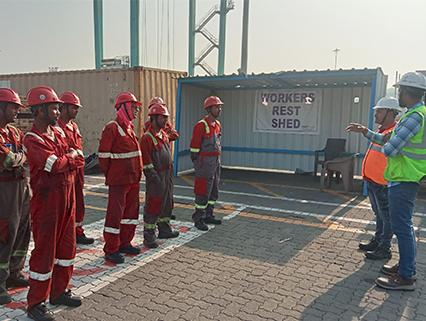
Human factors such as inadequate operator training, poor handling of loads, or incorrect crane use also contribute to failures. Incorrect load paths, shocks from abrupt stops or starts, and misuse of controls amplify wear on mechanical systems and accelerate component fatigue. Effective training and strict operating procedures help mitigate these risks.
How to Prevent Port Crane Failures Under Continuous Operations
Proactive Maintenance Programs
The most effective prevention strategy is preventive and predictive maintenance rather than reactionary repairs. A structured program includes:
• Scheduled Inspections – Daily, weekly, and periodic inspections of critical systems.
• Condition Monitoring – Using thermal imaging, vibration, and oil analysis to spot early signs of degradation.
• Planned Component Replacement – Replacing wear-prone parts like wire ropes, brakes, bearings, and electrical contacts before failure.
• Lubrication Management – Ensuring correct lubricant types and schedules for marine conditions.
Ports with robust preventive programs typically see equipment availability jump from ~80–85% to over 95%, directly translating to higher throughput and revenue.
Training and Operational Discipline
Highly trained operators who understand crane limitations, proper load handling, and safety protocols reduce equipment stress and human error. Regular refresher training and performance reviews ensure best practices remain front of mind.
Environment-Specific Solutions
Choosing corrosion-resistant materials, marine-grade lubrication, and protective coatings mitigates environmental degradation. Combined with regular cleaning and corrosion control measures, these solutions extend crane life in harsh port conditions.
Conclusion
Failure of port cranes under continuous operations is seldom due to a single cause. It’s usually the result of cumulative stress, harsh environments, maintenance gaps, and operational misuse. The good news is that these failures are largely preventable. A comprehensive strategy that blends preventive and predictive maintenance, advanced monitoring, skilled operators, and environmental controls ensures cranes stay reliable, safe, and productive reducing downtime, cutting costs, and keeping your port competitive.