




Why Port Crane Erection & Commissioning Must Be Done by Experts
April 22,2026
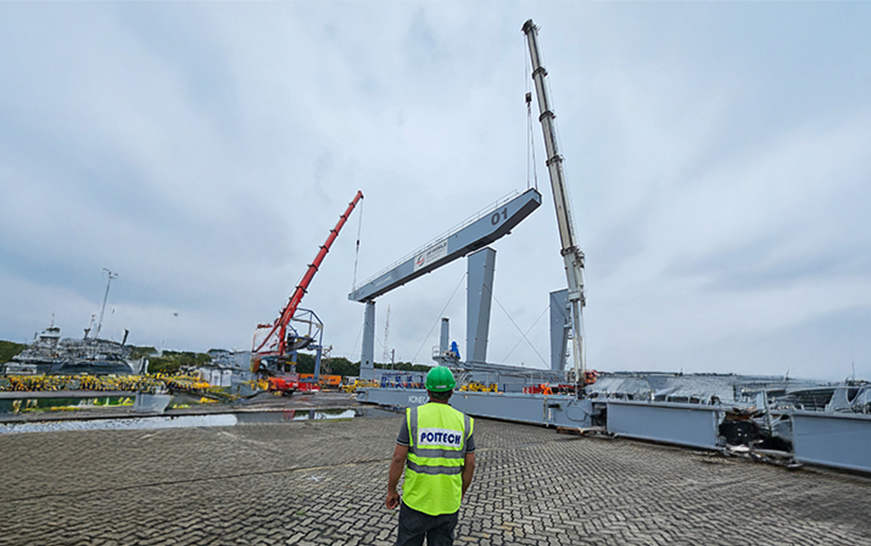
Port cranes are the backbone of modern shipping and logistics operations, handling massive loads with precision and efficiency. However, their performance and safety heavily depend on how well they are erected and commissioned. Improper installation can lead to operational failures, safety risks, and costly downtime. That’s why port crane erection and commissioning must always be handled by experienced professionals. we explore why expert involvement is essential and how it ensures long-term reliability, safety, and efficiency for port operations.
Understanding Erection & Commissioning
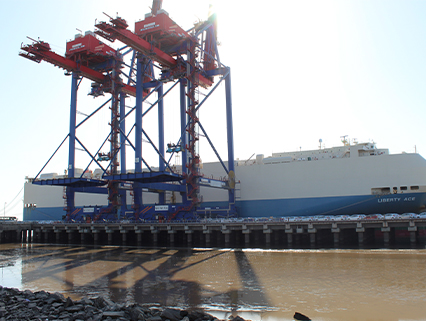
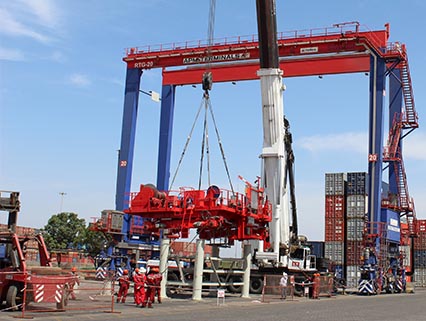
Erection and commissioning involve assembling, installing, testing, and validating a crane system before it becomes fully operational. This process includes structural setup, electrical connections, PLC programming, load testing, and final performance checks to ensure everything works as intended. It is not just a technical step it is the foundation of the crane’s entire lifecycle.
1. Ensuring Maximum Safety Standards
Safety is the most critical reason to rely on experts. Port cranes operate under heavy loads and dynamic environmental conditions. Any minor error during installation can result in severe accidents.
Professional engineers follow strict safety protocols, conduct risk assessments, and ensure compliance with industry standards. Improper erection can compromise structural integrity and create serious hazards for both workers and cargo.
Experts also perform detailed load testing and inspections, ensuring the crane can handle its designed capacity safely.
2. Accurate Installation & Alignment
Precision is everything when it comes to crane erection. Components like girders, rails, motors, and hoisting systems must be perfectly aligned.
Even slight misalignment can lead to:
Uneven load distribution
Increased vibration
Mechanical stress
These issues may not be visible immediately but can cause long-term damage. Experts use advanced tools and techniques to ensure exact alignment and proper installation, preventing future complications.
3. Optimized Performance & Efficiency
A properly commissioned crane operates at its full potential. From smooth movements to accurate lifting capacity, every function depends on correct calibration.
If commissioning is not done properly:
The crane may not achieve designed performance levels
Cycle times may increase
Productivity may drop significantly
Poor calibration can directly impact port throughput and overall operational efficiency.
Experts ensure that all systems—mechanical, electrical, and automation—are fine-tuned for optimal performance.
4. Extended Equipment Lifespan
Port cranes are significant investments, and their longevity depends on how well they are installed.
Incorrect erection can lead to:
Premature wear and tear
Frequent breakdowns
Increased maintenance costs
Misaligned components and improper tensioning put unnecessary stress on parts, reducing their lifespan.
Professional commissioning ensures all parts operate smoothly, minimizing wear and maximizing durability.
5. Compliance with Industry Standards
Port operations are governed by strict safety and engineering standards. Experts ensure that every step of erection and commissioning complies with these regulations.
This includes:
Quality Assurance Plans (QAP)
Inspection & Test Plans (ITP)
Safety certifications
Following these standards not only ensures safety but also avoids legal issues and operational disruptions.
6. Advanced Testing & Calibration
Commissioning involves multiple testing stages such as:
Power testing
Cold testing
Load testing
Performance validation
Experts also program PLC systems and verify all electrical connections to ensure seamless operation.
These tests are critical to identify and fix potential issues before the crane goes live.
7. Reduced Downtime & Cost Efficiency
Hiring experts may seem like a higher upfront investment, but it saves significant costs in the long run.
Professional installation ensures:
Faster setup
Minimal errors
Reduced downtime
Avoiding rework, repairs, and operational delays leads to better ROI and smoother port operations.
8. Seamless Handover & Operational Readiness
Expert teams provide complete documentation, training, and system validation before handing over the crane.
This ensures:
Operators understand system functionality
Maintenance teams are prepared
The crane is fully operational from day one
A professional handover eliminates uncertainties and ensures immediate productivity.
Conclusion
Port crane erection and commissioning are complex, high-stakes processes that demand expertise, precision, and strict adherence to safety standards. From ensuring safety and performance to extending equipment life and reducing costs, expert involvement is essential at every stage. Choosing professionals for erection and commissioning is not just a technical decision it’s a strategic investment in efficiency, reliability, and long-term success.