





What are the safety precautions during port crane operation?
January 28,2026
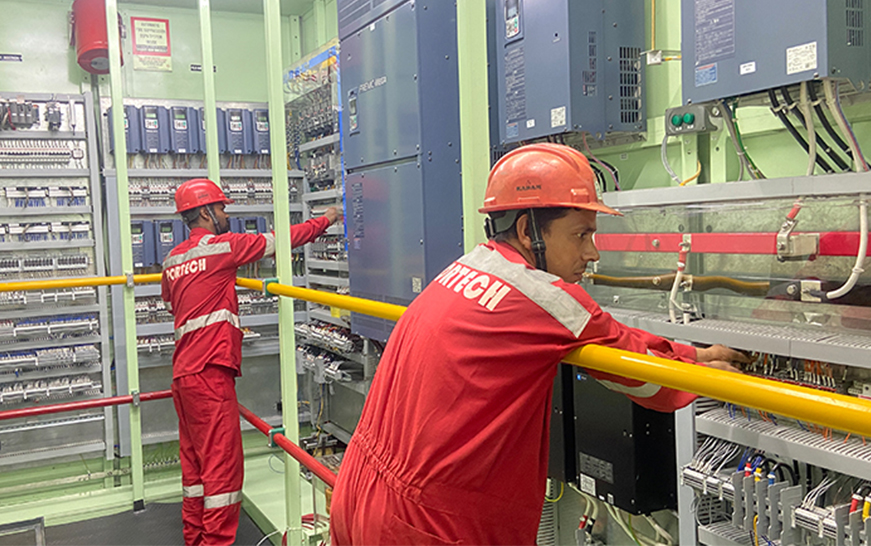
Ports are high-activity zones where massive machinery, heavy cargo, and skilled manpower work together around the clock. Among all port equipment, cranes play a critical role in loading and unloading containers, bulk cargo, and heavy materials. However, improper crane operation can lead to severe accidents, equipment damage, operational delays, and even loss of life. Implementing strict safety precautions during port crane operations is essential for ensuring smooth, efficient, and accident-free port activities.
1. Proper Operator Training and Certification
One of the most important safety measures is ensuring that crane operators are properly trained and certified. Port cranes require advanced handling skills due to factors such as wind loads, heavy weights, and limited maneuvering space.
Operators should:
Undergo regular training programs
Be familiar with crane controls and emergency procedures
Understand load charts and operational limits
Untrained operators significantly increase the risk of accidents, making certification a non-negotiable requirement.
2. Regular Inspection and Preventive Maintenance
Routine inspection and maintenance of port cranes are critical for safety. Cranes operate under continuous stress and exposure to harsh marine environments, which can cause corrosion, fatigue, and mechanical failure.
Key inspection areas include:
Wire ropes and lifting hooks
Brakes and hydraulic systems
Structural components and welds
Electrical systems and sensors
Preventive maintenance helps detect issues early, reduces downtime, and ensures compliance with international safety standards.
3. Load Management and Weight Limits
Overloading is one of the leading causes of crane failures at ports. Each crane is designed with specific load-handling capacities that must never be exceeded.
Safety practices include:
Verifying cargo weight before lifting
Using calibrated load indicators
Ensuring even load distribution
Strict adherence to load limits prevents structural stress, crane collapse, and cargo damage.
4. Clear Communication and Signaling
Effective communication between crane operators, signalmen, and ground staff is essential. Miscommunication can lead to unexpected movements, collisions, or dropped loads.
Best practices include:
Using standardized hand signals
Employing radio communication systems
Assigning a dedicated signal person
Clear communication ensures coordinated operations and minimizes human error.
5. Safe Working Environment and Restricted Zones
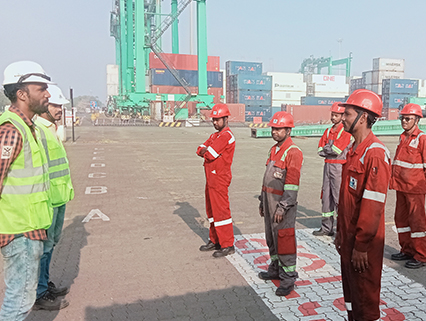
Port crane operations should be conducted within clearly defined safety zones. Unauthorized personnel should never be allowed near active crane areas.
Safety measures include:
Barricading crane operating zones
Displaying warning signs and indicators
Enforcing the use of PPE (helmets, gloves, reflective vests, safety shoes)
Maintaining a controlled work environment significantly reduces the risk of injuries.
6. Weather and Environmental Monitoring
Weather conditions play a crucial role in port crane safety. High winds, heavy rain, fog, or storms can make crane operations extremely dangerous.
Ports should:
Monitor wind speed using anemometers
Suspend crane operations during extreme weather
Follow defined wind speed operational limits
Weather-related precautions help prevent crane instability and load swinging.
7. Emergency Preparedness and Safety Protocols
Despite all precautions, emergencies can still occur. Ports must have well-defined emergency response plans.
Key elements include:
Emergency stop systems
Fire safety equipment
Evacuation procedures
Regular safety drills
Prepared teams can respond quickly, minimizing damage and protecting lives.
8. Use of Advanced Safety Technologies
Modern ports increasingly rely on technology to enhance crane safety. Advanced systems improve visibility, control, and predictive maintenance.
Examples include:
Anti-collision systems
Load monitoring sensors
CCTV and remote monitoring
Automation and condition-based maintenance tools
Technology-driven safety solutions significantly reduce human error and operational risks.
Conclusion
Safety during port crane operations is not optional it is essential for operational efficiency, workforce protection, and long-term equipment reliability. By investing in trained operators, regular maintenance, strict load management, effective communication, and modern safety technologies, ports can prevent accidents and maintain uninterrupted operations. At PORTECH Engineering Pvt. Ltd., we understand the critical importance of port crane safety. With our expertise in port crane engineering, maintenance, and modernization solutions, we help ports operate safely, efficiently, and reliably in demanding environments.