




The Importance of Inspection Reporting in Port Crane Maintenance: Ensuring Safety and Quality in Every Project Phase
March 11,2026
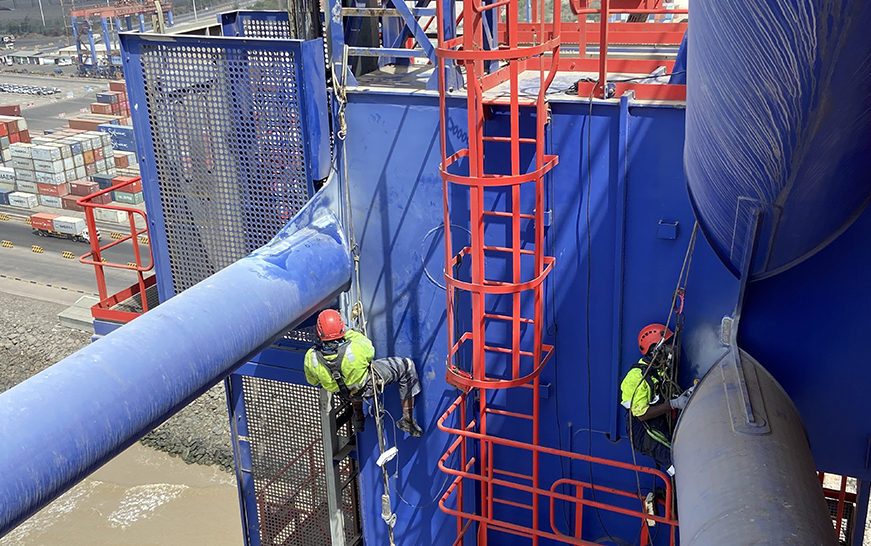
Ports are the backbone of global trade, handling millions of tons of cargo every year. At the heart of these operations are heavy-duty cranes that lift, move, and position containers and bulk materials. Because of their constant usage and heavy loads, these cranes require regular monitoring and maintenance. One of the most important tools for ensuring safe and efficient crane operations is inspection reporting.
Inspection reporting provides detailed documentation about the condition, performance, and safety of port cranes. It helps engineers and maintenance teams identify issues early, maintain equipment reliability, and ensure compliance with industry safety standards. Companies like PORTECH, known for professional crane maintenance and inspection services, rely heavily on accurate inspection reporting to maintain high-quality operational standards.
What Is Inspection Reporting in Port Crane Maintenance?
Inspection reporting is the process of systematically examining crane components and recording their condition in a structured report. These reports include observations, measurements, photographs, and recommendations related to crane performance and safety.
For port cranes, inspections typically cover several key areas, including:
Structural components such as booms and frames
Wire ropes, hooks, and lifting mechanisms
Electrical systems and control panels
Hydraulic systems
Safety devices and emergency mechanisms
A well-prepared inspection report ensures that any potential issue is documented and addressed before it affects crane performance or safety.
Enhancing Safety in Port Operations
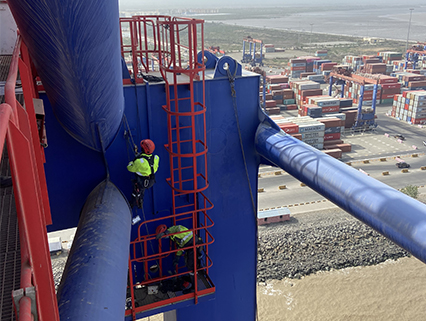
Safety is the primary reason why inspection reporting is essential in port crane maintenance. Port cranes handle extremely heavy loads and operate in busy environments where workers, vehicles, and cargo are constantly moving. Even a small fault in a crane component can lead to serious accidents. Regular inspections help detect problems such as worn-out wire ropes, structural cracks, electrical malfunctions, or hydraulic leaks. By documenting these issues in inspection reports, maintenance teams can take immediate corrective action. This reduces the risk of accidents, protects workers, and ensures safe cargo handling operations.
Improving Equipment Reliability
Port cranes operate continuously for long hours, often under harsh environmental conditions such as humidity, saltwater exposure, and heavy loads. Over time, these conditions can cause wear and tear in crane components. Inspection reporting helps maintenance teams monitor the condition of equipment regularly. By reviewing past reports, engineers can track patterns of wear, predict potential failures, and schedule preventive maintenance. This proactive approach helps avoid unexpected equipment breakdowns that could disrupt port operations and cause financial losses.

Ensuring Compliance with Safety Regulations
Ports and industrial facilities must comply with strict safety regulations and international standards related to crane operations. Authorities often require documented evidence that cranes are inspected and maintained regularly. Inspection reports serve as official documentation showing that equipment has been examined by qualified professionals and that safety procedures are being followed. These records are important during safety audits, regulatory inspections, and insurance assessments. For crane service providers like PORTECH, maintaining proper inspection documentation demonstrates professionalism and commitment to industry safety standards.
Supporting Efficient Maintenance Planning
Another major benefit of inspection reporting is improved maintenance planning. Detailed reports provide maintenance teams with valuable information about the condition of each crane component. Using this information, engineers can prioritize repairs, schedule maintenance activities, and allocate resources effectively. Instead of reacting to sudden equipment failures, teams can implement preventive maintenance strategies that extend the lifespan of cranes. This approach not only reduces downtime but also lowers long-term maintenance costs.
Improving Communication Between Teams
Port operations involve multiple teams, including crane operators, maintenance engineers, safety officers, and management. Inspection reports act as a communication tool that keeps everyone informed about the condition of the equipment. Clear documentation ensures that maintenance teams understand what repairs are required and operators are aware of any safety precautions. This transparency improves coordination and helps ensure that all teams work toward the same goal—safe and efficient port operations.
Building Long-Term Operational Efficiency
Inspection reporting also contributes to long-term operational efficiency. By maintaining a detailed history of inspections, repairs, and maintenance activities, organizations can analyze performance trends and improve maintenance strategies. These records help companies identify recurring issues, improve equipment management, and plan future upgrades or replacements. Over time, this data-driven approach enhances the overall reliability and productivity of port crane systems.
Conclusion
Inspection reporting is a vital component of port crane maintenance and safe port operations. It ensures that cranes are regularly examined, potential problems are identified early, and necessary repairs are performed before failures occur. For port operators and industrial facilities, accurate inspection reports help maintain safety, comply with regulations, and improve equipment reliability. With professional expertise and structured inspection processes, companies like PORTECH play an important role in supporting safe and efficient crane operations. By prioritizing inspection reporting in every phase of maintenance, port operators can protect their workforce, extend equipment lifespan, and ensure smooth cargo handling operations.