




Port Crane Modernization: Improving Load Handling Accuracy
November 19, 2025
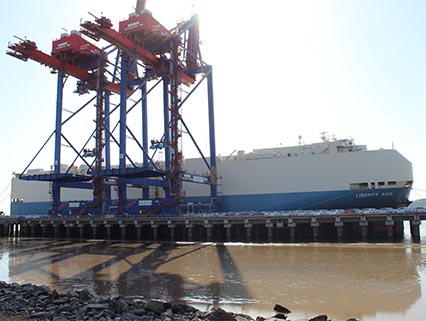
A port crane recently set a new productivity record at Cochin terminal in container handling by moving 177 containers. Not through replacement, but through intelligent modernization that transformed how it handles containers. The secret? Precision upgrades that turned decades old mechanical systems into accuracy-driven machines.
This isn't an isolated story. Across India's major ports, aging cranes are getting second lives through targeted modernization programs. The focus is about achieving load handling accuracy that rivals brand-new equipment at a fraction of the cost.
The Accuracy Problem Nobody Talks About
Older cranes develop what operators call "drift" – slight positioning errors that compound over time. A container lands 100mm off target. Another swing misses the cell guide. Operators end up compensating with extra movements, adding more time per lift. Multiply that across thousands of daily moves, and you are looking at significant productivity losses.
The root causes are mechanical wear, outdated control systems, and sensors that can't keep pace with modern operational demands. Hydraulic systems develop internal leakage. Encoders lose calibration. Control algorithms optimized for 1990s technology struggle with today's ultra-large container vessels and tighter stacking requirements.
The PORTECH Modernization Approach
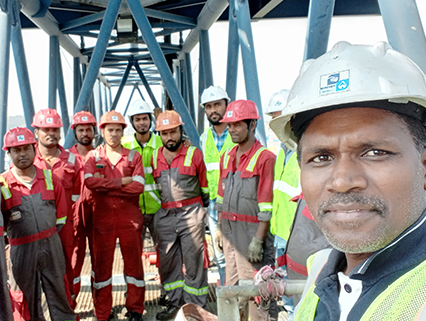
At PORTECH Engineering, we've modernized cranes across different manufacturers—ZPMC, LIEBHERR, GOTTWALD, KONECRANES. Each crane presents unique challenges based on its original design, current condition, and operational requirements.
Our assessment begins with accuracy testing. We measure actual versus intended positions across the crane's working envelope. This data reveals where improvements will deliver maximum return. Some cranes need complete control system overhauls. Others benefit from targeted sensor upgrades and software optimization.
The modernization happens in phases designed around operational schedules. Critical path items get priority during planned outages. Less disruptive upgrades happen during regular maintenance windows. This staged approach minimizes impact on terminal operations while building toward comprehensive capability improvements.
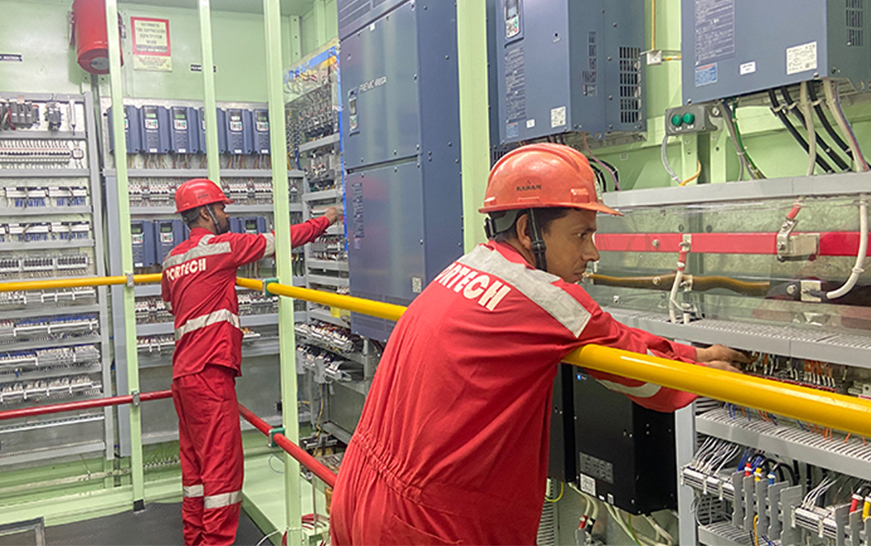
We integrate proven technology with robust support infrastructure in India. The electrical upgrades come with updated safety systems meeting current standards, improving both performance and compliance.
Measuring Success in Real Terms
Modernized cranes typically show 12-18% productivity improvements through faster, more accurate moves. Repositioning attempts drop by 60-70%. Operator stress decreases as systems handle the precision work automatically. Maintenance costs often decrease too, as modern drives and controls are gentler on mechanical components than old start-stop systems.
Making the Investment Decision
Modernization costs roughly 25-40% of new crane procurement while delivering 70-85% of new equipment capabilities. For cranes with sound structural condition, it's often the smarter financial choice. The payback period typically ranges from 18-30 months depending on operational intensity.
PORTECH brings multi-disciplinary capabilities electrical, mechanical, structural, and software engineering ensuring modernization projects address the complete system, not just isolated components.
Ready to explore how modernization can transform your crane fleet's accuracy and productivity? Contact PORTECH Engineering for a comprehensive assessment tailored to your operational requirements.