




Port Crane Modernization & Automation
June 03,2026
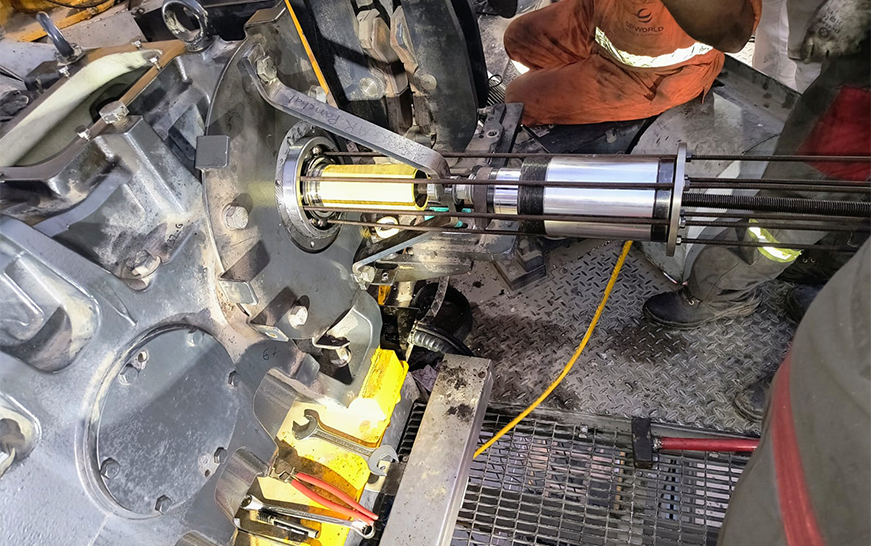
Modernizing and automating older cranes at port terminals is a cost-effective alternative to replacement. It generally costs only 15-30% of the price of a new crane, and adds 5-10 years to its useful life. These upgrades incorporate advanced technologies that dramatically improve safety and productivity.
Improving Port Terminal Safety
Modernization is necessary to bring the old equipment up to the current, more stringent safety standards and to minimize the chances of a failure that causes injury or material damage. Important safety improvements include:
• Collision Prevention Systems: Laser scanners and sensors, e.g. Gantry and Stack Collision Prevention, monitor the travelling path of the crane and the area below. These systems automatically reduce or stop movement to avoid impacts with trucks, container stacks, or personnel.
• Enhanced Visibility and Operator Environment: High-definition camera systems and ergonomic cabins can be installed on cranes, allowing operators to control loads from a safe distance or see areas that were previously obstructed by the crane structure. In addition, Remote Operating Stations (ROS) can enable operators to work in a safe office environment away from dangerous terminal conditions.
• Enhanced Safety Features: Many upgrades include overload protection systems with precision load cells to prevent dangerous lifts, and zone control to restrict crane movement in sensitive areas such as pedestrian walkways.
• Decreased Mechanical Stress: Variable Frequency Drives (VFD’s) allow for soft acceleration and deceleration (soft starts and stops) which reduces the mechanical wear on the brakes, motors and structural components.
Increasing Productivity and Efficiency
Automation and modernisation of cranes can provide reported productivity gains of 20-30% through optimisation of handling cycles and reduction of down time.
• Optimized Cycle Times: Load sway control algorithms reduce container swing during transit enabling higher speeds and reducing cycle times by 15-30%.
• Precision Positioning: Modern control systems enable operators to position loads with millimetre accuracy, minimizing product damage and speeding up final placement.
• Quay Crane Pooling: Remote supervision in port environments enables a reduced number of operators to control multiple cranes simultaneously based on the workload, greatly improving workforce flexibility.
• Predictive Maintenance: Systems like Remote Monitoring collect real-time data on crane usage and component wear (e.g. ropes and brakes). The transition from reactive to predictive maintenance can decrease troubleshooting time by 60% and improve the mean time between failures (MTBF) by 3-5 times.
• Automation Levels: Technologies like AI-enabled waterside automation can handle vessel-side container lifting and positioning. GPS-based Auto-Steering for RTGs achieves ±2cm accuracy in yard operations, so the operator can focus only on the load, not on managing the gantry.
System Integration for Future-Proofing
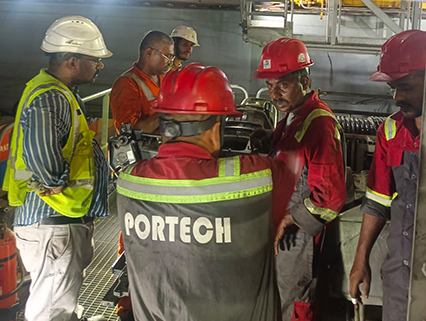
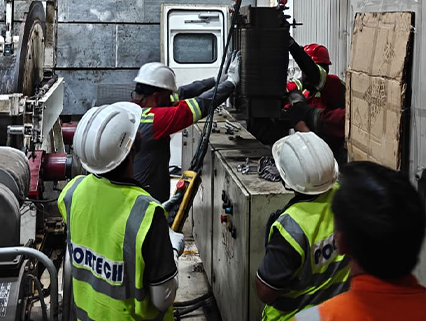
Modernization serves as a foundation for further terminal digitalization. Upgraded Programmable Logic Controllers (PLCs) allow cranes to connect via high-speed Ethernet or Profinet to a Terminal Operating System (TOS). This integration enables automated data exchange regarding container locations, which is a critical first step toward achieving a fully automated port terminal. PORTECH specialises in providing key assistance in the area of port crane automation. Our skilled engineers and technicians are well familiar with the technological advances in the port crane industry. To know more about our services and previous projects, do check out the retrofits and upgradation projects we have done for our clients.