




Port Crane Maintenance Services in the Middle East
January 07,2026
In today’s interconnected global economy, ports are the lifeline of international trade. The Middle East, strategically located as a crossroads between Asia, Europe, and Africa, boasts some of the busiest and most advanced maritime gateways in the world from Jebel Ali in the UAE to major terminals in Qatar, Kuwait, and Oman. At the heart of these high-throughput operations are port cranes: massive, precision machines that lift, move, and stack containers and cargo around the clock. Keeping these cranes operating at peak performance is not optional it’s essential.
Why Port Crane Maintenance Matters
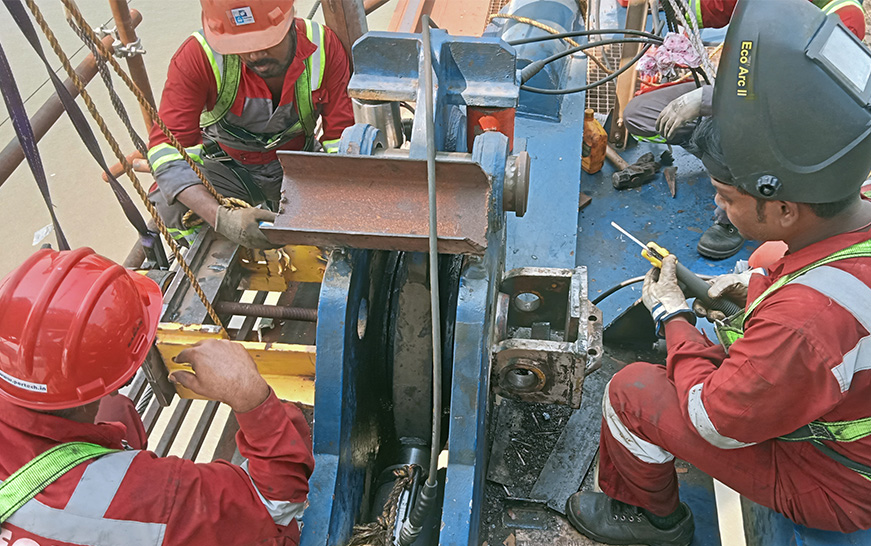
Port cranes whether Ship-to-Shore (STS), Rubber Tyred Gantry (RTG), or Rail Mounted Gantry (RMG) are complex systems integrating structural steel, heavy mechanical parts, electrical drives, control systems, hydraulics, and safety devices. Operating in harsh coastal environments with high temperatures, humidity, corrosive salt air, and heavy duty cycles accelerates wear and tear, making regular maintenance critical to reliability and safety. Unplanned breakdowns can halt vessel operations, cause costly delays, and disrupt supply chains.
In the Middle East, ports function non-stop, demanding crane systems that are dependable and resilient. Regular servicing not only extends equipment life and improves safety, it also maximizes uptime and throughput a key competitive advantage in global logistics hubs like Dubai and Doha.
Key Components of Crane Maintenance Services
The goal of port crane maintenance is to prevent failures before they occur, diagnose issues early, and ensure machinery performs safely and efficiently. This is accomplished through a comprehensive suite of services, including:
1. Preventive Maintenance
Preventive maintenance involves routine inspections, systematic checks, and scheduled servicing before problems arise. It includes:
• Structural integrity evaluations — looking for cracks, corrosion, and wear in steel frameworks.
• Mechanical checks — ensuring smooth operation of hoists, gearboxes, bearings, and wire ropes.
• Electrical system inspections — examining motors, drives, control panels, and PLC systems.
• Lubrication management — regular lubrication of critical components to prevent friction and premature failure.
This proactive strategy typically boosts crane availability from around 80–85% to more than 95%, directly increasing port productivity.
2. Predictive and Diagnostic Services
Predictive maintenance leverages data and condition monitoring tools such as vibration analysis and thermal imaging to forecast failures before they occur. Advanced diagnostic services assess machine health in real time, allowing ports to plan maintenance during low-impact windows and avoid unexpected stoppages. Emerging industry trends are now integrating IoT sensors and AI to further enhance performance predictions.
3. Breakdown and Corrective Maintenance
Despite the best planning, breakdowns can still happen. Rapid response teams diagnose issues quickly, repair or replace faulty components, and get cranes back in operation with minimal disruption. Having emergency maintenance support is especially critical in the high-tempo Middle Eastern port environment.
4. Annual Maintenance Contracts (AMC)
Annual Maintenance Contracts provide a structured long-term service relationship, guaranteeing routine checks, parts replacement, and ongoing support. AMCs help port operators budget maintenance costs, improve planning, and ensure accountability.
Challenges Unique to the Middle East
Maintaining port cranes in the Middle East comes with unique challenges:
• Harsh environmental conditions — extreme heat (often exceeding 50°C) and saline environments hasten corrosion and mechanical fatigue.
• High operational tempo — around-the-clock schedules leave narrow windows for maintenance without impacting throughput goals.
• Integration with automation technologies — as ports adopt smart systems and automated cranes, service providers must combine mechanical expertise with advanced diagnostics and controls.
These challenges require specialized engineering skills and maintenance strategies tailored to local conditions. This is where expert providers like PORTECH Engineering Pvt. Ltd. stand out.
PORTECH Engineering — A Trusted Partner for Port Crane Maintenance
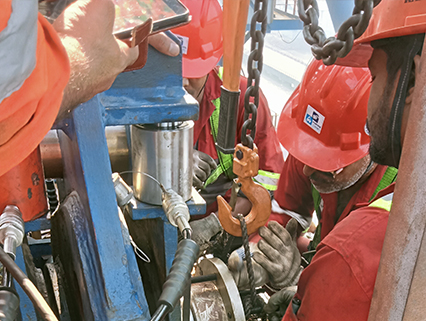
While PORTECH Engineering Pvt. Ltd. is headquartered in India, the company’s expertise in port crane maintenance, diagnostics, modernization, and preventive services positions it as a valuable partner for Middle Eastern port operators looking to elevate reliability and operational efficiency. PORTECH’s core offerings include:
• Crane Diagnostics & Maintenance — detailed structural, mechanical, electrical, and hydraulic inspections that identify issues before they impact performance.
• Preventive Maintenance Programs — customized schedules that balance thorough equipment care with operational demands.
• Modernization & Retrofit Solutions — upgrading old systems with modern drives, automation components, and enhanced safety features.
• Emergency Breakdown Support — rapid response teams and corrective maintenance to reduce downtime.
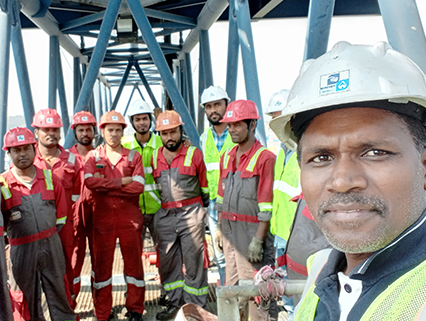
PORTECH’s multidisciplinary team brings deep engineering knowledge, practical hands-on experience, and client-centric service delivery essential to sustaining reliability in demanding port environments.
Conclusion
In the dynamic and competitive port landscape of the Middle East, maintaining high-performance crane operations is critical to operational continuity, safety, and profitability. Ports that invest in expert maintenance services, proactive diagnostics, and long-term service partnerships can transform maintenance from a cost center into a strategic advantage. With global trade volumes rising and port automation advancing rapidly, selecting the right maintenance partner is no longer optional it’s a cornerstone of operational excellence. PORTECH Engineering Pvt. Ltd. combines technical depth, preventive focus, and modernization expertise to help ports unlock the full potential of their crane assets ensuring they remain robust, compliant, and ready for the challenges of tomorrow.