




How to increase the efficiency of your port operation
February 25,2026
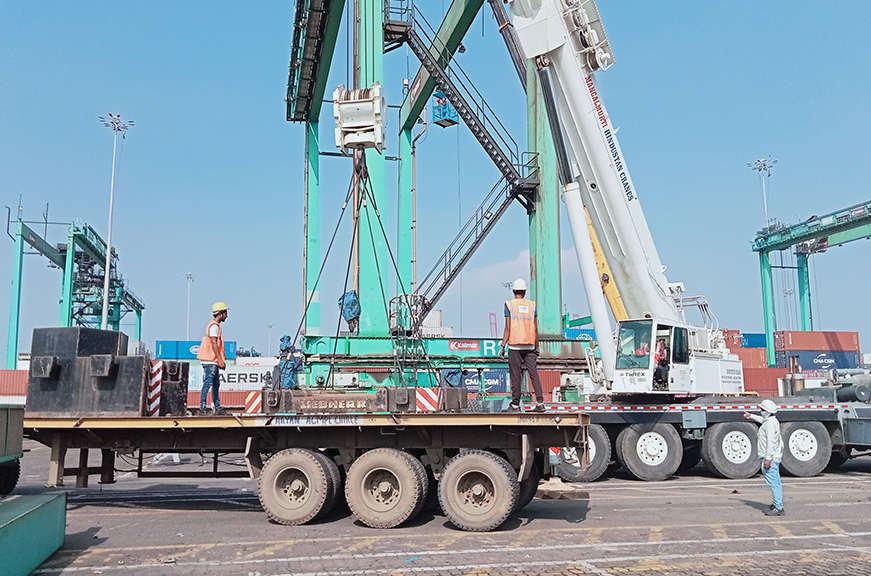
For India’s leading port operators, the pressure has never been greater. With throughput targets climbing and vessels getting larger, the margin for error is shrinking. Yet, many CTOs and Lead Engineers are discovering that the biggest gains in efficiency aren't coming from buying new equipment, they are coming from perfecting what they already own.
At PORTECH Engineering, we have spent over two decades maintaining, erecting, and modernizing the cranes that keep Indian ports moving. What we've learned is this: efficiency isn't just about speed. It is about precision, reliability, and knowing exactly when to upgrade.
The Hidden Tax on Your Operations
Consider the aging STS crane. It still lifts. It still moves. However, the container might land slightly off-target. And the cycle extends by a few seconds. Multiply that by hundreds of moves per day, and you have lost hours of productivity without a single breakdown occurring. We call this "drift", the gradual performance erosion that maintenance logs don't capture. Mechanical wear, outdated control systems, and legacy PLCs all contribute. The crane appears operational. But it's no longer optimized.
The Modernization Calculus
When efficiency plateaus, the instinct is often to price new equipment. But here's what our data shows: strategic modernization costs 25–40% of a new crane while delivering 70–85% of new-crane capabilities. For most operators, the payback period ranges from 18 to 30 months.
This isn't about temporary fixes. It's about targeted upgrades where they matter most:
• Electrical drive retrofits that reduce energy consumption while improving torque control
• PLC and control system upgrades that enable smoother, faster cycles
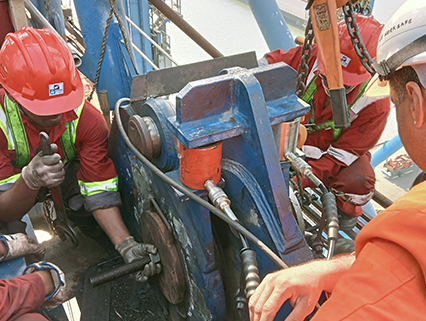
• Mechanical refurbishment that restores original performance specifications
We have worked with every major OEM—ZPMC, LIEBHERR, GOTTWALD, KONECRANES, NOELL—and the pattern holds. Even world-class equipment benefits from mid-life intervention.
Safety as Efficiency
There's a misconception that safety inspections slow operations. The reverse is true. Unplanned downtime, the kind caused by undetected structural fatigue or component failure, is the true enemy of throughput. Our advanced Non-Destructive Testing (NDT) protocols are predictive tools. When you know exactly which components will fail and when, you schedule interventions during planned windows. The crane never surprises you.
The Precision Dividend
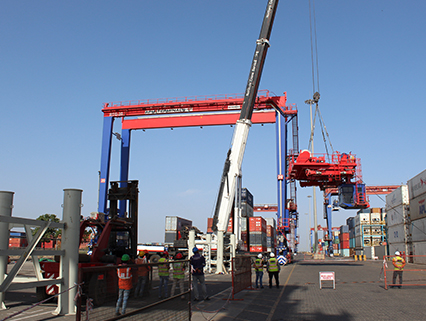
The terminals that consistently outperform their peers share one characteristic: they have eliminated micro-inefficiencies. Their cranes land containers accurately on the first attempt. Their drives respond instantly. Their control systems communicate seamlessly with terminal operating software. Modernization programs that address anti-sway algorithms, precision motion control, and drive synchronization transform operator experience. Veteran operators notice immediately: less fatigue, fewer corrections, more moves per hour.
The PORTECH Approach
Whether it's erecting new cranes, refurbishing existing ones, or conducting forensic inspections that prevent catastrophic failures, our mandate is simple: help you move more containers, more safely, with less downtime. India's ports are poised for historic growth. The terminals that capture that growth won't necessarily be the ones with the newest equipment. They will be the ones that extract maximum performance from every asset, every shift, every day. That's precision engineering. That's PORTECH.